Quick answer
Build a textile buying decision around a controlled specification, not a headline export figure or an attractive sample. Confirm fibre composition, construction, finishing, performance tests, approved production sites and shipment terms. Verify certificate numbers and scope independently. Compare quotations on the same basis, then use a pilot order to test bulk consistency, documentation accuracy and the supplier's handling of exceptions.
How to read Pakistan textile export headlines and turn them into a safer supplier shortlist, specification and shipping plan.
Editorial note: This is an independently prepared practical guide. Check dated official notices and your destination’s rules before transacting; we do not claim to have inspected any business mentioned on this site.
Why this market update matters
Textiles remain central to Pakistan’s export economy, but a headline about rising exports does not tell a buyer whether a particular factory has available capacity or whether its quoted price is competitive. Export receipts, shipped quantities and product mix can move in different directions. This guide explains how to read the official data before negotiating and how to turn it into a practical purchase decision. It is an editorial market checklist, not a claim about today’s factory capacity.
Use the latest monthly external-trade release from the Pakistan Bureau of Statistics (PBS) alongside State Bank of Pakistan (SBP) balance-of-payments statistics. They are not interchangeable: customs shipment values and foreign-exchange receipts have different timing and coverage. Record the release date, reporting period, currency and whether a number is provisional whenever you cite it. Avoid extrapolating one good month into a full-year trend.
Step 1 — Choose the product, not “textiles” as a whole
Separate cotton yarn, greige fabric, dyed fabric, knitwear, woven garments, towels and bed linen before comparing suppliers. These are different production processes with different quality controls and lead times. A strong towel exporter may not be the right partner for jersey knitwear. Ask whether the seller manufactures in-house, subcontracts a process, or trades finished goods. None is automatically unacceptable; the risk is an undisclosed hand-off.
Write a one-page specification: fibre blend, construction, GSM or yarn count, dimensions and tolerances, colour standard, shrinkage and colourfastness tests, packaging, labelling language and destination-market requirements. If you cannot describe the item precisely, quotes from two factories will not be comparable. For a repeat order, attach the last approved sample and identify which attributes may change.
Step 2 — Read the data without overstating it
Find the PBS export category that most closely matches the product and compare the same months across years rather than adjacent months alone; seasonality matters. Check whether value and quantity both rose. If value rose while quantity fell, unit prices or product mix may explain the change. The headline does not prove an individual supplier is growing, compliant or able to meet your order.
Exchange-rate movement, imported inputs, energy costs and shipping disruption can alter a quotation even when the export series is flat. Ask suppliers to state how long a price remains valid and which input-cost changes can trigger a revision. Cross-check currency conversion using a dated SBP rate if you need a management estimate, but settle in the currency and terms specified in the contract.
Step 3 — Verify the factory and its claims
Request a registered legal name, physical production address, tax identity, production steps performed at the site and recent references you may contact with permission. Compare the registered entity on the quotation and bank beneficiary; they should not silently differ. A video walk-through can help, but a remote recording is not a substitute for an independent inspection when the order value is significant.
If a supplier cites a certification, request a certificate number, scope, site address, issuer and expiry date, and check with the issuing body. Scope is crucial: a certificate for one unit does not automatically cover a different subcontractor. Ask for a bill of materials and traceability evidence when the destination buyer requires restricted-substance, labour or origin documentation. Contractual testing requirements should name the test method and acceptance threshold.
Step 4 — Sample, price and ship on a written schedule
Run a development sample, then a pre-production sample made with the intended materials. Approve it in writing and keep a sealed reference. For high-risk colours or shrinkage, ask an independent lab to test against the agreed standard. Put inspection timing, allowable defects, rework responsibility and rejection rights in the purchase order before paying the balance.
Ask for a price at a named Incoterms 2020 place, minimum order quantity, production lead time from sample approval, payment milestones and carton dimensions. Compare freight quotes on the same basis. “FOB Pakistan” without a named port leaves room for misunderstandings. Build a calendar backwards from the retail delivery date, allowing for production, inspection, export clearance, sea or air transit and destination customs.
Step 5 — Document the decision and watch the next release
Shortlist three suppliers, send the same RFQ to each and score the replies against quality evidence, delivered cost, realistic capacity and response clarity. Log what was verified rather than treating a directory badge as an audit. Make a small pilot order before scaling; an on-time sample does not prove repeat-batch consistency.
Revisit PBS releases monthly and the supplier’s on-time performance after each shipment. If your product’s volume contracts while values rise, investigate price and mix instead of declaring a shortage. This method remains useful when market direction changes: it replaces predictions with a reproducible sourcing process.
Buyer’s working checklist
Before sending funds, keep the specification, sample approval, certificate verification, price validity, named delivery term, inspection protocol and beneficiary checks in one folder. Ask who books freight, who obtains export documents and who pays duties at the destination. Agree what happens if a lab test fails or a shipment misses the vessel.
This guide is informational and does not replace a customs broker, laboratory or legal adviser. Figures and regulations change; consult the current primary releases and the importing market’s rules before committing money.
Worked example: compare two bids
Suppose a buyer needs 8,000 cotton towel sets delivered to a named port. One factory quotes a low unit price but excludes colourfastness tests, retail labels and terminal delivery. A second factory includes all three and supplies a production calendar. Convert both to the same quantity, quality threshold, packaging and delivery point before calculating cost per accepted set. Ask each for the date of sample approval, material booking, bulk dyeing and final inspection. Do not assume the second factory is automatically better: check its evidence, not just the higher price.
Create a decision memo with three columns: verified fact, supplier statement awaiting evidence and commercial assumption. Put the PBS release date next to any industry statistic, not beside a claim about factory capacity. When the first pilot arrives, record shrinkage, colour variation, claims and actual delivery date. Use that data to revise the next RFQ instead of repeating a general industry headline. A procurement team that can show its assumptions is better prepared to renegotiate after a currency or freight change.
Official sources and further reading
Use the latest publication at these primary-source websites; figures, fees and rules can change. Links were checked in October 2026; some official sites may block automated visitors.
- Pakistan Bureau of Statistics: external trade and price statistics
- State Bank of Pakistan: statistics and exchange rates
- Trade Development Authority of Pakistan
Continue on BusinessListing Pakistan
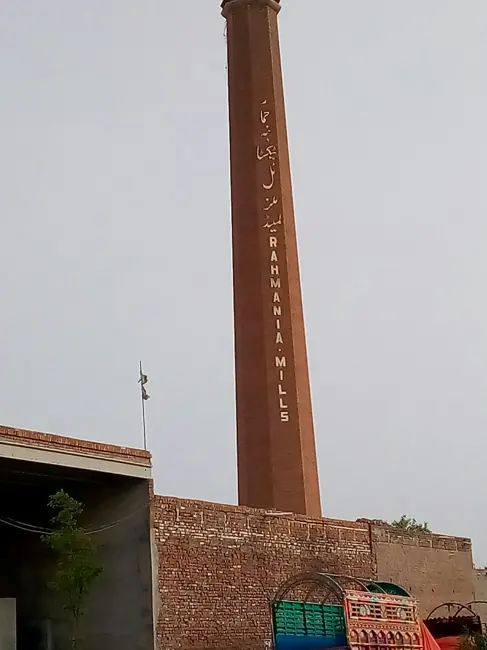
Cover photograph: Rahmania Textile Mills, in Faisalabad.jpg by mani zahid, via Wikimedia Commons, CC BY 4.0. Cropped and resized for the web. See the linked image page for reuse terms. The photograph is illustrative and does not endorse a named business.
Can every bidder quote the same textile specification?
Create a specification pack before approaching factories. Include fibre composition, fabric construction, finished dimensions, colour reference, permitted variation, packaging and intended use. State whether measurements apply before or after laundering and identify the test method and conditioning requirements. Otherwise, suppliers can offer visibly similar products that behave differently in use, making the cheapest quotation impossible to evaluate fairly.
Compare textile manufacturers with fabric and finished-goods suppliers, separating direct production from sourcing services. Ask each bidder to mark exclusions rather than silently substituting a standard product. Your textile buying request should invite technical questions and require a completed compliance matrix alongside the price.
Does the certificate cover the product you will receive?
For an OEKO-TEX claim, obtain the label number and check it using the official OEKO-TEX Label Check. Reconcile the returned information with the claimed product and documentation. If the result is unclear, contact the scheme or issuing institute rather than treating a logo in a catalogue as sufficient evidence.
Maintain a separate evidence register for chemical testing, fibre claims, factory audits and product performance. These answer different questions. Ask the supplier to identify the relevant site and product scope for each document. A report for an unrelated fabric, colour or production route should prompt clarification rather than automatic acceptance.
What will expose a sample-to-bulk mismatch?
Retain an approved reference with its specification revision and record how bulk inspection will compare against it. Require production-stage evidence for shade, shrinkage, seam performance or other characteristics relevant to the product. Select samples from the actual order and document who selected them. Supplier-chosen photographs are useful progress updates, but they do not establish representative sampling.
Discuss rework before production starts. Can the goods be reprocessed without changing hand feel, dimensions or durability? Who pays for testing after rework? How will repaired units remain identifiable? Record the answers in the purchase order so that a late shipment does not become pressure to accept unresolved defects.
Who owns factory safety and subcontractor oversight?
Ask how the supplier identifies and addresses production hazards, including machinery, chemicals and emergency arrangements. The ILO's sector-specific safety and health code provides a practical reference for discussion, not a certificate of factory compliance. Require disclosure of outsourced dyeing, printing, washing or stitching and establish how corrective actions are followed through.
Are the commercial and customs assumptions consistent?
Ask textile exporters to separate product cost, packing, inland transport and other quoted charges. Use HS classification resources to prepare a classification discussion with your broker, then check the destination's requirements. Organise the buyer-side process through import planning guidance. Continue with the published towels, denim and home-textiles guide for product-specific questions and the first-shipment checklist for document controls. Keep the final specification and commercial agreement together.