Quick answer
Buy Pakistani rice against an agreed variety, processing description, quality specification and destination compliance plan. Confirm how broken grains, moisture, defects and cooking performance will be assessed, then obtain representative lot samples. Verify mill and exporter identities, traceability and loading controls. Compare quotations on matching packing and delivery terms, with explicit procedures for testing, rejection and resolving discrepancies after arrival.
A buyer-focused guide to rice export headlines, crop and policy checks, variety specifications, quality testing and shipment safeguards.
Editorial note: This is an independently prepared practical guide. Check dated official notices and your destination’s rules before transacting; we do not claim to have inspected any business mentioned on this site.
Start with a dated source, not a rumour
Rice export prices and availability can change with harvest timing, weather, policy and demand in destination markets. Social posts claiming a ban or a record crop are not trade instructions. Before changing an order, check the date and scope of the latest Pakistan Bureau of Statistics trade release, official customs notices and your importing country’s food authority. This guide deliberately avoids quoting a live price or announcing an active restriction without a dated official notice.
Export value and tonnage answer different questions. Compare the same reporting window and identify whether the category includes basmati, other rice or both. A national average per tonne cannot price your preferred grade; milling yield, age, moisture, broken percentage and packing all matter. Ask for lot-level evidence rather than assuming the macroeconomic story applies to a warehouse offer.
Step 1 — Define the exact rice you need
Specify variety and whether you require basmati or non-basmati, white or parboiled rice, crop year, grain length where applicable, broken percentage, moisture, foreign matter, chalkiness, milling and sorting standard. State bag weight, material, print, palletisation and whether the shipment must be fumigated. “Premium rice” is not a measurable specification.
Request a representative sample tied to a named lot. Ask where the rice was milled and stored, whether the offered quantity is physically allocated, and when inspection can happen. For a branded retail product, agree artwork approvals and language/label rules early; changing bag artwork after printing can add weeks. Samples from a showcase batch must not silently substitute for the loading batch.
Step 2 — Verify the seller, mill and allocation
Ask for the seller’s registered name, tax details, mill address, export history and permission to speak to an earlier buyer. A trading company may be entirely legitimate, but it should identify who controls storage and who will sign the sale contract. A video of a mill establishes little unless the batch and seller are connected.
For a sizeable order, pay for an independent pre-shipment inspection: sampling protocol, moisture test, broken-grain count, infestation check, bag count and container cleanliness. Put the named inspection standard in the contract. If the buyer requires residue or food-safety tests, define which laboratory, sampling method and limits apply in the destination country.
Step 3 — Check current export and import requirements
Verify the current HS classification in the FBR tariff and confirm any restrictions or certificates through official channels. Your destination may require a phytosanitary certificate, fumigation evidence, certificate of origin, importer registration or particular food labelling. The answer depends on country, rice type and shipment date; a previous exporter’s document pack is only a starting example.
Pakistan Single Window (PSW) brings together trade-declaration and some regulatory processes. Ask the exporter or licensed customs agent to show a document list for your shipment, with responsibilities against each item. Confirm with your own importer or broker what must be supplied before loading. Do not assume a certificate issued in Pakistan automatically satisfies every destination authority.
Step 4 — Request comparable quotations
Send three suppliers an identical RFQ with grade, tonnes, packing, inspection standard, shipment window, destination and preferred named Incoterms 2020 term. Ask them to itemise product price, bags, inland haulage, terminal charges and freight as applicable. A cheap ex-mill number cannot be compared with a CFR destination quote.
Ask whether the quote is based on current physical stocks or anticipated milling, the validity period and the exchange-rate assumptions. Agree payment method with your bank and define which original shipping documents release payment. For new relationships, obtain independent legal and banking advice before sending a large advance to a personal or mismatched account.
Step 5 — Monitor production and shipment
Arrange a pre-loading inspection, sealed-container records, weight evidence and a clean shipping-document review. Keep the approved sample, test results, purchase order, commercial invoice, packing list and bill of lading consistent on product description and quantities. Allow time for clearance and a missed vessel, especially around holidays or a harvest peak.
After delivery, compare actual moisture, breakage, bag condition and buyer complaints with the contractual thresholds. Record supplier response time and the cost of corrective action. This evidence is more valuable for a second order than a changing market headline.
How to interpret the next policy headline
If a news report claims a new measure, locate the official notification, effective date, affected HS codes and any transition period. Check whether the change concerns exports, imports, tariff valuation or a destination-country rule. Until confirmed, ask the seller for a conditional quote rather than paying for a shipment on an assumption.
This is a decision framework, not commodity advice or a live government circular. Use primary sources for current figures and get a qualified customs and food-regulatory professional to sign off on your market-specific document checklist.
Worked example: compare two rice lots
Imagine two offers labelled basmati at different prices. Request lot numbers and test the same weight of each under an agreed sampling protocol; compare moisture, grain dimensions, broken fraction, aroma and cooking behaviour against the contract specification. A lower price could reflect a different crop year, higher breakage or less expensive packing. None of those differences is necessarily unacceptable if disclosed and accepted by the buyer.
Ask each supplier to quote the same quantity, bag type and named delivery point. Attach laboratory findings and inspection photographs to the comparison, and identify whether the seller controls the offered stock. Before issuing a purchase order, ask the destination importer to confirm labelling, phytosanitary and food-safety conditions. The importer’s current requirements, not a generic internet checklist, decide which documents must be available before the container is loaded.
Official sources and further reading
Use the latest publication at these primary-source websites; figures, fees and rules can change. Links were checked in October 2026; some official sites may block automated visitors.
- Pakistan Bureau of Statistics: external trade and price statistics
- Federal Board of Revenue: customs tariff and tax guidance
- Pakistan Single Window: official trader portal
- Trade Development Authority of Pakistan
Continue on BusinessListing Pakistan
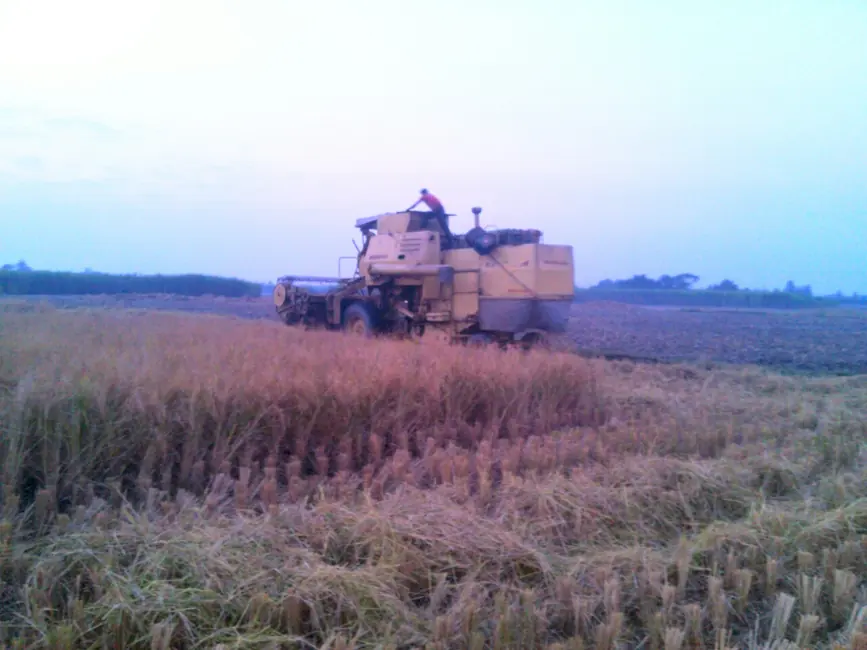
Cover photograph: Harvestingrice.jpg by Zaidijutt1, via Wikimedia Commons, CC BY-SA 4.0. Cropped and resized for the web. This article and image are shared with attribution under the applicable licence; image reuse must follow its original licence. The photograph is illustrative and does not endorse a named business.
What exactly does the quoted rice description promise?
Ask the exporter to separate variety, processing method, crop or ageing claim and commercial grade. Terms such as premium or export quality should be translated into measurable requirements. Record how broken grains, foreign matter, damaged grains, moisture and other relevant characteristics will be assessed. Agree the method and sampling basis rather than relying on a product photograph.
Compare rice exporters and rice suppliers with an identical specification. The Codex Standard for Rice provides an official reference for definitions and quality factors within its scope. Check destination law separately; an international standard is not a substitute for the importing market's requirements.
Will the sample represent the rice loaded?
Agree who selects the sample, from which lot and at what stage. Identify the lot on the sample container and laboratory instruction, and retain sealed references under agreed conditions. If a supplier blends or substitutes stock after sampling, require a new assessment. A sample selected from unrelated stock cannot establish the conformity of the shipment.
For cooking evaluation, use a documented preparation method and record the attributes that matter to your customer, such as texture, aroma and grain appearance. Keep sensory preferences separate from food-safety acceptance. A successful cooking trial cannot establish compliance with contaminant or pesticide requirements.
Who controls milling, storage and traceability?
Identify the mill and any packing or storage locations. Ask how incoming paddy or rice is identified, how processing lots are separated and how the exporter can trace a packed batch. Use manufacturing profiles and the business directory for initial research, but verify operational claims through records and appropriate inspection.
Request a destination-specific testing plan from a competent adviser or laboratory. Identify the relevant legal requirements, methods and sample handling arrangements before the goods are packed. Where phytosanitary or other official documents are required, establish the responsible authority and application timing rather than assuming that every rice shipment needs an identical document set.
What should the loading inspection record?
Agree checks for packaging condition, markings, lot identification, quantity and container suitability. Record visible moisture, odours, cleanliness or damage concerns before loading. Define who may stop the operation and how the parties will resolve a disagreement. Keep loading evidence connected to the shipment and lot references, not in an unlabelled photograph folder.
How should the commercial offer protect the buyer?
State packing format, net quantity basis, delivery term, payment conditions and the process for independent assessment of a claim. Use import planning guidance and HS classification resources to prepare customs questions. Publish a defined rice buying request.
Read the published rice varieties and grades guide and origin documentation guide. Make the acceptance basis clear before shipment so that an arrival dispute can be assessed against an agreed standard rather than competing descriptions of quality.