Quick answer
A useful cotton yarn RFQ fixes count system, spinning method, composition, end use, quality limits, packing and delivery basis before asking for price. Request lot specific test evidence and clarify net yarn weight, moisture assumptions and cone deductions. Trial the yarn in your intended process. Compare quotations only after technical deviations, currency, validity, payment and freight assumptions are recorded explicitly.
Read cotton spot references correctly and request comparable yarn quotes by count, blend, quality and delivery terms.
Editorial note: This is an independently prepared practical guide. Check dated official notices and your destination’s rules before transacting; we do not claim to have inspected any business mentioned on this site.
Reference prices are not yarn offers
Cotton, yarn and finished fabric are different markets. A quoted cotton spot reference cannot tell you the delivered price of a specific ring-spun yarn. Fibre grade, count, blend, processing, packaging, credit and freight all matter. This guide teaches buyers to ask for comparable offers instead of reproducing an undated rate. It provides no live cotton or yarn price.
Use Karachi Cotton Association (KCA) information for market context and Pakistan Central Cotton Committee (PCCC) publications for crop and industry background. Verify the publication date, units and grade definition of any number before using it. An indicator is not proof that a supplier has that stock or will sell at that level.
Step 1 — Describe the fibre or yarn accurately
For cotton fibre, state staple length, micronaire range, strength, contamination tolerance, moisture, grade, crop season and bale weight. For yarn, include count and count system, combed/carded, ring/open-end, blend percentages, twist, strength and evenness requirements, cone weight and wax requirements if needed. Use a separate specification for each item.
Ask whether cotton is domestic or imported if origin matters to your customer. “100% cotton” does not establish count, quality or traceable origin. For contract textiles, establish what evidence is required for restricted-substance or chain-of-custody claims rather than accepting a logo in a catalogue.
Step 2 — Compare the same unit and delivery point
Specify the currency, price per kilogram or metric tonne, required volume, destination and named delivery term. A mill-ex-works yarn quote should not be compared directly with a delivered cotton-fibre price. Note whether tax, loading, insurance and inland freight are included.
If a reference is published in a different unit, convert it explicitly and label the result as an estimate. For example, multiplying a per-kilogram offer by 1,000 gives a per-metric-tonne material figure; freight and taxes still have to be added. Never relabel a historical reference as “today’s yarn price”.
Step 3 — Seek evidence of available material
Ask the seller for stock location, lot identifiers, crop or production date, quantities available, validity of offer and sampling permission. Request quality test results tied to the offered lot. For yarn, check count variation, tensile performance, imperfections, contamination and cone condition against your weaving or knitting requirements.
Where the order is significant, arrange an independent sample and test. Set the method, laboratory and tolerance before purchase. A photograph of bales or cones says little about fibre performance. Pilot the yarn in the actual downstream process: weaving efficiency and dyeing behaviour can dominate a small headline price difference.
Step 4 — Record and calculate an honest comparison
Create a quote log with vendor, legal entity, lot, specification revision, sample status, issue date, expiry date, unit, currency, payment, lead time and delivery point. Calculate landed cost as quoted material + taxes if payable + haulage + handling + testing. Keep finance charges and credit period visible separately.
If supplier A quotes ex-mill and supplier B quotes delivered, add the same forwarder’s freight estimate to A before comparing. Note assumptions in the worksheet. Include rejected-lot or rework risk when making a decision, without inventing a precise defect rate for a supplier you have never tested.
Step 5 — Contract and receive the lot
Put the sample identifier, lot traceability, acceptable variation, claim period and replacement remedy into the purchase order. Agree whether a change in cotton origin or blending needs buyer approval. On receipt, inspect packaging, quantities and sample results before consumption. Keep disputed lots segregated and document the evidence promptly.
Renew quotations as validity windows expire. Cotton conditions and foreign exchange can change faster than a page update. For repeat supply, periodically re-test and review delivery performance rather than assuming the first approved lot predicts the next one.
What to do next
Request three offers using one written specification. Check KCA’s latest published reference only as background, then decide using current documented offers. Involve your technical team for mill trials and an accountant for tax treatment.
This is general procurement guidance, not an investment forecast or a guaranteed rate. If a site publishes an unlabelled yarn “index”, ask who collected the quotes, which grade they cover and when they were observed.
Worked example: compare yarn count correctly
Two vendors may quote “cotton yarn” in PKR per kilogram, but one supplies combed yarn at a specified count and the other a carded yarn at a different count. Ask both to quote the same count system, blend, strength, packaging and delivered location, then test them in your production equipment. A modest material-price advantage may be outweighed by machine stops or excessive waste.
Log test yield, breakage and fabric quality alongside the invoice cost. Ask for batch identification on every cone carton and confirm whether a repeat order will use the same raw-material origin and process. If you follow a KCA cotton reference for context, record the exact publication date and reference grade. Never substitute that number for a mill’s binding yarn offer. Keep expired quotations for trend analysis but clearly mark them as historical. When samples differ, invite both mills to explain the variation and request the written test method. Compare the cost of accepted output, not only the input cost, and keep the factory trial results beside the purchase order.
Official sources and further reading
Use the latest publication at these primary-source websites; figures, fees and rules can change. Links were checked in October 2026; some official sites may block automated visitors.
- Karachi Cotton Association
- Pakistan Central Cotton Committee
- Pakistan Bureau of Statistics: external trade and price statistics
Continue on BusinessListing Pakistan
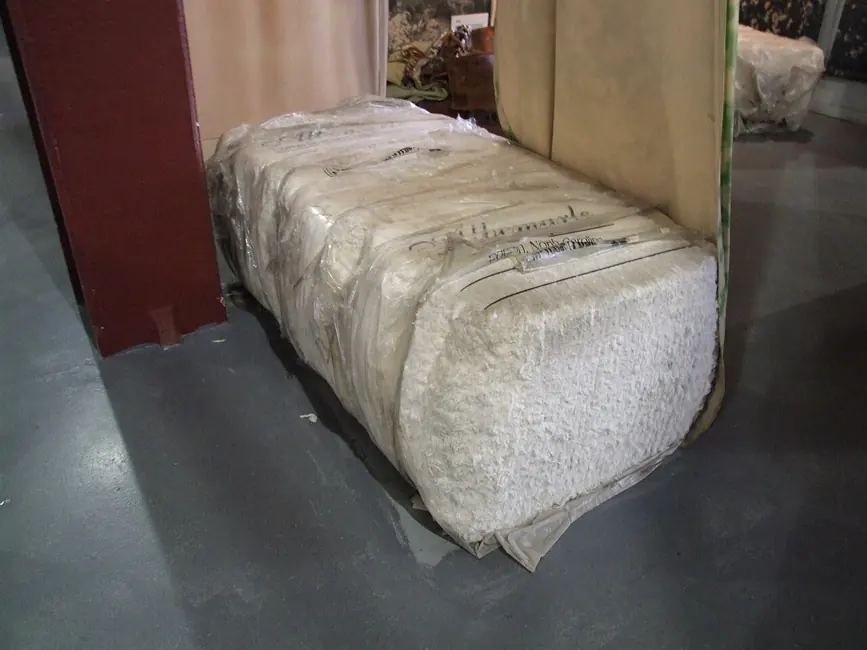
Cover photograph: Raw cotton bale MOSI-11 5569.JPG by Clem Rutter, via Wikimedia Commons, CC BY 3.0. Cropped and resized for the web. See the linked image page for reuse terms. The photograph is illustrative and does not endorse a named business.
Could two mills interpret your yarn count differently?
State the count system explicitly and identify single or plied construction, spinning method, fibre composition and intended application. Include combed or carded requirements where relevant, twist requirements and any restrictions on blending or recycled content. Do not assume that a familiar shorthand communicates all of these choices. Ask bidders to repeat the specification in their offer.
Approach spinning manufacturers and yarn suppliers with an identical enquiry. If a trader offers several mills, request a separate technical and commercial line for each proposed source. Your cotton yarn RFQ should make substitutions visible rather than inviting a generic 'best quality' quotation.
Which yarn properties matter to the buyer's machinery?
Work backwards from the knitting, weaving or other process. Ask your technical team to define the relevant limits for strength, elongation, unevenness, imperfections, hairiness, contamination and splice performance, as applicable. Identify the test methods, equipment references and reporting basis. A number without its method or sampling context may not support a fair comparison.
Cotton Incorporated's Product Evaluation Lab overview describes separate fibre, yarn, fabric and product-care evaluations. Use that distinction when reviewing evidence: a fibre-quality report cannot, by itself, establish how the delivered yarn will run or how the final fabric will perform.
Is the quoted weight actually saleable yarn?
Ask whether the price applies to net yarn weight and how cones, bags, pallets and other packing are treated. Record the moisture or conditioning basis used for commercial weight and testing. Define the procedure for resolving a discrepancy between dispatch and receipt records. Avoid comparing offers until the same weight basis has been established.
Specify cone type, winding requirements, package dimensions, identification labels and packing protection. Ask how lots will be segregated and whether mixed production lots require prior approval. For repeat orders, agree what notice the supplier must give before changing the mill, raw-material blend or production route.
What should a production trial prove?
Request yarn representative of the proposed commercial lot and record its identification. Run it under documented conditions in your intended process. Capture breaks, waste, handling observations and relevant fabric results, rather than judging only the appearance of the cone. Have the technical team explain whether an issue arises from the yarn, machine settings or another input.
Agree what happens if the trial fails: further investigation, a replacement lot, revised terms or rejection. Do not allow a free sample to create an implied commitment to a bulk order. Retain the approved reference and corresponding test report so that subsequent deliveries can be compared meaningfully.
How should the price decision be recorded?
Ask yarn exporters to state currency, validity, payment conditions and named delivery point. Use the HS code finder and import planning hub to prepare customs questions. Read the published Faisalabad textile guide and textile buyer checklist. Record technical acceptance before comparing the remaining compliant offers commercially.