Quick answer
Plan a Sialkot buying visit around decisions that cannot be resolved remotely: production ownership, sample consistency, subcontracting and order controls. Confirm factory addresses, meeting participants and permission to inspect relevant operations beforehand. Check current official travel advice and insurance conditions. Leave each meeting with documented findings, unresolved questions and named actions, rather than relying on hospitality or a showroom impression.
A practical route through Sialkot supplier selection, factory visits, quality questions and the first export shipment.
Editorial note: This is an independently prepared practical guide. Check dated official notices and your destination’s rules before transacting; we do not claim to have inspected any business mentioned on this site.
Why visit Sialkot?
Sialkot is associated with export-oriented manufacturing, notably sports goods and surgical instruments. It is not one factory or a quality guarantee: capacity, specialisation and compliance vary by enterprise. A buyer visit is valuable when it tests specific claims against the processes actually used to make your product. This guide is a planning tool, not a list of approved factories or a travel booking service.
Define the product before arranging meetings. A stitched sports ball, precision surgical instrument and leather article require different inspection skills and documents. Use official trade-promotion and industry-association resources to understand the cluster, then assess each manufacturer individually.
Step 1 — Build a shortlist remotely
Search by product and process, then ask prospective suppliers for the legal entity name, address, catalogue references, approximate capacity, minimum order quantity and the stages completed on site. Request current certificates only when relevant to your destination and product. Invite detailed replies to the same RFQ rather than allowing every vendor to quote a different version.
Check supplier references with their permission and compare the quoted bank beneficiary with the legal entity. Ask whether you will visit a manufacturing unit, a showroom or a subcontractor. If the seller cannot identify where your particular item is produced, schedule a clarification call before paying for travel.
Step 2 — Plan a feasible two-day itinerary
Group visits by product rather than booking too many distant appointments. Allow time to reach the workshop, observe work in progress and hold a technical meeting. Day one can cover two or three primary candidates; reserve day two for follow-up on the strongest supplier, an independent inspection partner and a contingency slot. Arrange meeting times directly; do not assume a factory is open to walk-in visits.
Confirm local travel, security and current entry or visa requirements from official sources before departure. Do not publish your passport or hotel details in an open enquiry. Bring drawings, a calibrated reference sample if practical, bilingual notes and a list of pass/fail questions. Ask permission before photographing equipment, customers’ designs or workers.
Step 3 — Trace the actual process
At each site, follow material receipt through production and packaging. Ask for a real lot’s receiving record, work instruction, quality check and finished-goods label. Observe where subcontracted activities happen and how changes are approved. A beautiful sample room is not evidence that the bulk process is controlled.
For sports goods, check stitching, panel cutting, bladder source, inflation and dimensional tests. For surgical instruments, check material traceability, machining, finishing and destination-specific regulatory evidence. An independent specialist should evaluate safety-critical or medical products; a general buyer cannot certify them during a tour.
Step 4 — Test capacity and sample discipline
Request a production calendar for the proposed quantity and ask what other commitments overlap your order. Compare the stated lead time with material booking and each production stage. Ask for a pre-production sample made to the actual order revision, then record any deviations. A promise of “any quantity next week” without an input and labour plan deserves scrutiny.
Agree tolerances, a sampling plan, acceptable defect thresholds, rework responsibility and an inspection window in writing. Keep one signed reference sample. If you use your own designs or trademarks, settle confidentiality, tooling ownership and artwork approval before handing over production-ready files.
Step 5 — Compare and contract after the visit
Score every candidate against technical match, evidence, capacity, communication and delivered cost. Keep site notes and test results alongside the scorecard. Request final written quotations on the same Incoterms 2020 basis and named place. Verify bank details independently before sending an advance.
Start with a manageable pilot order. Specify inspection, packaging, documentation and what happens if a shipment fails. Ask a customs agent what export paperwork is needed for the relevant HS code and destination. Revisit your shortlist after you receive the first production batch.
Local context and onward reading
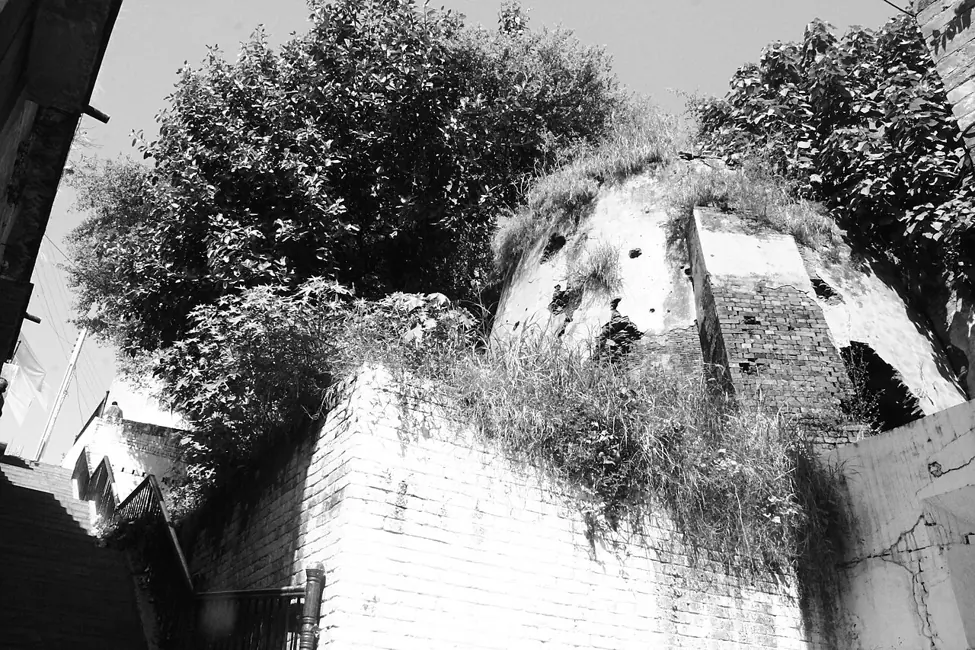
Use Sialkot-related directory pages to discover businesses, not as a substitute for site verification. The Sialkot Fort image accompanying this page depicts a local landmark; it is not a photograph of the factories discussed or a product endorsement.
Travel and customs requirements may change. Check official sources before booking and use a qualified inspector for regulated goods. The outcome of a good visit is an evidence-backed shortlist, not merely a collection of brochures.
Buyer visit worksheet you can copy
Prepare one page per factory with fields for legal name, address, contact, processes seen, processes outsourced, sample ID, material source, certificate verification, claimed capacity and evidence observed. Write questions before arrival: What happens if material fails inspection? Who can approve a drawing change? Where are rejected units kept? Who is responsible for export documents? Ask to see an actual record for each important answer.
After every visit, separate observations from assurances. Photograph a labelled sample only with permission, and note the date and people present. Send a short follow-up email listing what evidence is outstanding and the date by which it will be supplied. Score all factories against the same criteria the next day, while the visit is fresh. This avoids selecting the friendliest host over the supplier with the most reliable manufacturing controls.
Official sources and further reading
Use the latest publication at these primary-source websites; figures, fees and rules can change. Links were checked in October 2026; some official sites may block automated visitors.
- Surgical Instruments Manufacturers Association of Pakistan
- Trade Development Authority of Pakistan
- Pakistan Single Window: official trader portal
- Federal Board of Revenue: customs tariff and tax guidance
Continue on BusinessListing Pakistan
Cover photograph: Sialkot Fort Ruines.jpg by ASAD ALI CHEEMA, via Wikimedia Commons, CC BY-SA 4.0. Cropped and resized for the web. This article and image are shared with attribution under the applicable licence; image reuse must follow its original licence. The photograph is illustrative and does not endorse a named business.
Which buying decisions justify an on-site visit?
Write a visit brief that identifies what must be observed, who must answer questions and what evidence would change your decision. For surgical instruments, this might involve traceability and finishing controls; for sports goods, construction and subcontracted processes. Keep commercial negotiation separate from technical acceptance so that a discounted offer does not close an unresolved production question.
Shortlist Sialkot manufacturers, compare supplier alternatives and identify which exporting businesses will sign the contract. Request the actual production address, not just the sales office. Confirm whether the host owns the site and whether any planned visit involves a subcontractor or an independent partner.
Can you see the process that matters to your order?
Send a proposed agenda naming the operations you need to observe. Ask whether those operations will be running and whether relevant supervisors will attend. If the factory cannot show your exact product, agree what comparable work can demonstrate and what remains unverified. A quiet production floor is not necessarily a warning sign, but it requires an explanation and follow-up evidence.
Request permission before photographing workers, customer products or records. Agree confidentiality boundaries while preserving your ability to document findings. Prepare a simple evidence sheet with the observation, record reference, explanation and outstanding action. This reduces the chance that enthusiastic meeting notes become stronger claims than the evidence supports.
How should travel risk change the itinerary?
Review current advice for the full route, not just the destination city. The UK Government's Pakistan safety and security guidance describes security risks and directs travellers to regional advice. Travellers of other nationalities should also consult their own government's guidance. Recheck shortly before departure and confirm how advice affects insurance and employer approval.
Arrange reliable transport, emergency contacts and a check-in plan. Keep sufficient flexibility to avoid rushed transfers or pressure to continue when conditions change. Do not describe any city or route as risk-free because previous buyers completed similar trips. If travel is unsuitable, consider an independent inspection or a structured remote review.
What should happen in the closing meeting?
Review findings with both commercial and production representatives. Separate confirmed facts from explanations still awaiting documents. Ask who can approve specification changes, stop production and resolve complaints. Agree how any subcontracted work will be disclosed during the order and whether further access is available before shipment.
Use business records to reconcile contact details and the import planning hub to prepare the next purchasing stage. Send a defined buying request only after recording the specification and unresolved conditions. Do not make an unplanned payment simply to preserve goodwill at the meeting.
What evidence should survive the trip?
Issue a written visit summary covering sites seen, processes not observed, documents reviewed and required corrective actions. Link it to the supplier approval decision. Continue with the published factory-versus-middleman guide and surgical supplier vetting guide. A successful visit should narrow uncertainty, not turn personal rapport into automatic approval.