Quick answer
Compare steel and cement quotations by delivered, specification compliant quantity rather than a headline unit price. Align grades, standards, tax treatment, freight, unloading, payment terms and quote validity. Verify manufacturer identity and relevant certification, then agree weighing, sampling and rejection procedures. Keep steel and cement evaluation sheets separate because their quantity checks, storage risks and acceptance evidence are not interchangeable.
A practical steel-rebar and cement buying guide: grades, units, official indices, delivery and a reusable landed-cost comparison.
Editorial note: This is an independently prepared practical guide. Check dated official notices and your destination’s rules before transacting; we do not claim to have inspected any business mentioned on this site.
Why this page does not display a “today” rate
A screenshot of a steel or cement rate rapidly becomes misleading. The price at a mill gate is not the landed cost on your construction site, and two “per tonne” quotes may refer to different grades or payment terms. This guide shows how to build a dated comparison. It is not a live rate board, a supplier quotation or engineering advice.
Pakistan Bureau of Statistics (PBS) wholesale and sensitive price indices provide useful direction at an aggregate level; an index is not a binding supplier offer for a particular grade, city or day. Check the publication date and series definition. Do not present an index movement as the price a buyer will pay.
Step 1 — Specify steel before requesting a number
For reinforcement bar, provide diameter, length, applicable grade and standard, quantity by size, whether cuts/bends are required and delivery site. State whether the price is per metric tonne or another unit. Request mill test certificates linked to the batches offered and ask an engineer to confirm the standard and design suitability. A cheaper bar of the wrong grade is not a saving.
Ask for the brand/manufacturer, bundle tags, origin and weight verification method. For a large order, agree independent sampling and test acceptance criteria before dispatch. Check whether quoted weight is theoretical or weighbridge actual. Store bars off the ground and protect traceability labels until inspection.
Step 2 — Specify cement and its handling
Name the cement type, applicable standard, bag or bulk supply, required strength class, number of bags/tonnes and delivery point. Ask the engineer which cement is specified for the project; ordinary Portland cement cannot automatically substitute for a specialised formulation. Check manufacturing date, storage conditions and intact bag seals.
A bag-price comparison can conceal different bag weights or freight terms. Convert all offers to the same weight and delivery basis. For bulk deliveries, document discharge and storage arrangements. Temperature, moisture and age affect practical handling; your site team should inspect before acceptance.
Step 3 — Request three dated, identical RFQs
Give each vendor the same specifications, quantity, address and requested delivery window. Require quote issue time, expiry time, tax treatment, loading, freight, unloading, demurrage and payment terms. Ask whether the stock is reserved and whether prices may change after an advance. Prefer written offers on the supplier’s letterhead over a forwarded rate screenshot.
Record the legal supplier and bank beneficiary; confirm changed bank details by an independently obtained telephone number. A quotation without an offer validity window is hard to approve when markets move. If split delivery is needed, state how later tranches will be priced.
Step 4 — Compute the landed cost
Use a single worksheet: material amount + applicable taxes + loading + freight + unloading + agreed inspection/testing + site handling = estimated landed cost. Divide by the accepted tonnes, not just ordered tonnes, if breakage or weight disputes occur. Example only: if material is PKR 100,000, delivery PKR 5,000 and unloading PKR 2,000 for one tonne, the comparison figure is PKR 107,000 before any applicable tax or testing. These are arithmetic illustrations, not market prices.
Compare the resulting cost per tonne at the same site and same date. Keep separate columns for advance payment, delivery lead time, documentation and replacement policy. A low bid with uncertain stock or no test report can increase project cost through delay.
Step 5 — Verify delivery and update the log
At the gate, compare bundle tags or bag counts, weighbridge ticket, batch identifiers, date and visible condition against the purchase order. Record shortages and damage before signing unconditional receipt. Keep certificates with the invoice and payment record. Ask the project engineer to approve any technical deviation.
Update the quote log at each purchase, not with a guessed “national rate”. Annotate dates and city so colleagues do not reuse expired figures. Official indices can provide background, while fresh written RFQs determine what the project can actually buy.
Red flags and useful next action
Be careful with quotes that omit grades, tax or transport; refuse claims that a bar or cement is certified without traceable evidence. No directory listing or price guide substitutes for an engineer’s specification or contract.
Send one standardised RFQ to several relevant suppliers, retain their written answers and review the total delivered cost with your site team before payment.
Worked example: estimate a site order
Imagine you need 12 tonnes of a specified rebar grade and 300 bags of a specified cement. Make separate RFQs: different suppliers may quote different lead times, taxes and unloading arrangements. For rebar, record diameter-by-diameter quantities and require mill documentation. For cement, specify bag mass, product type and latest acceptable manufacture date. Ask for a delivery schedule that your site can receive safely.
Compare each offered total to the site budget only after adding transport and applicable charges. Confirm with your engineer that substitutions are technically acceptable before accepting a discount. Write down the date and locality of every quotation. If the quoted price changes before dispatch, require an updated written offer rather than relying on a phone message. Retain gate receipts and invoice discrepancies in your procurement file so the final cost per accepted tonne can be calculated later.
Official sources and further reading
Use the latest publication at these primary-source websites; figures, fees and rules can change. Links were checked in October 2026; some official sites may block automated visitors.
- Pakistan Bureau of Statistics: external trade and price statistics
- Federal Board of Revenue: customs tariff and tax guidance
Continue on BusinessListing Pakistan
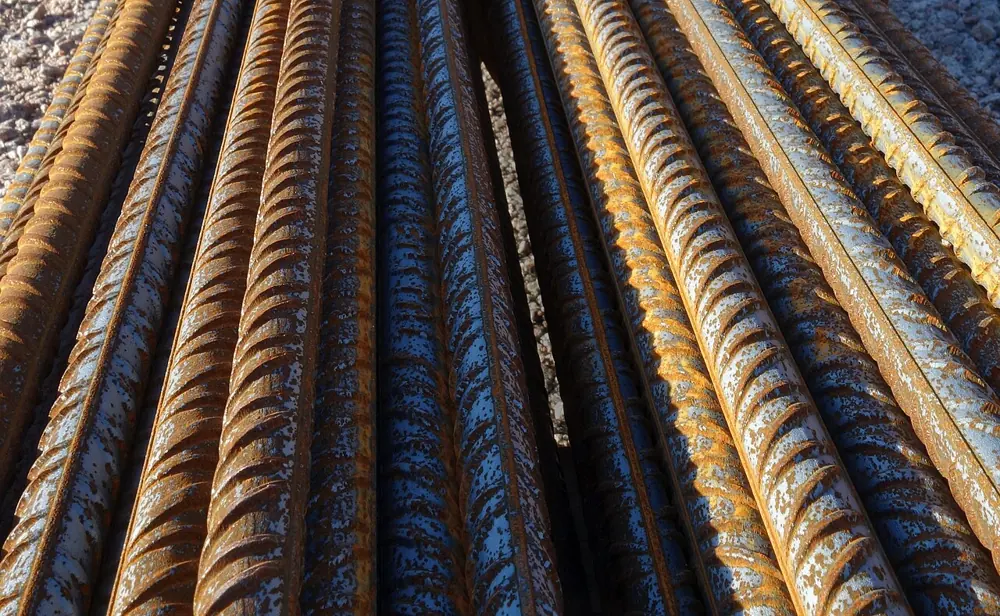
Cover photograph: A bunch of rebar up close.jpg by W.carter, via Wikimedia Commons, CC BY-SA 4.0. Cropped and resized for the web. This article and image are shared with attribution under the applicable licence; image reuse must follow its original licence. The photograph is illustrative and does not endorse a named business.
Are the steel quotations pricing the same usable material?
Start with the engineer-approved specification: product form, grade, applicable standard, dimensions and permitted tolerances. Ask whether the quotation uses actual weighed quantity, theoretical quantity or another agreed basis. Identify cutting, bending, bundling and transport charges separately. A low headline rate is not comparable when another bidder includes processing or uses a different quantity basis.
Approach steel manufacturers and construction-material suppliers with the same schedule. Require the seller to identify the producing mill and proposed evidence linking the delivered material to its test certificate. Where a distributor supplies mixed bundles, establish how identification will be preserved during transport and unloading.
What will the receiving team check before unloading steel?
Agree the weighing location, supporting weighbridge records, treatment of packaging and method for resolving disputed quantity. Define checks for identification, dimensions, visible condition and certificate references. Ask the project engineer to specify any sampling and laboratory testing. Do not allow a driver's delivery note to become the only record supporting acceptance.
Check relevant compulsory certification requirements against the PSQCA official compulsory-items list, which includes specified steel-bar categories. Confirm the exact product standard and current manufacturer authorisation through the appropriate official channel. A familiar brand name or copied certification mark should not end the verification process.
Does the cement offer fit the application and storage plan?
Request the exact cement type, applicable standard, manufacturer, plant identification where available, packing format and stated net quantity. Ask the project engineer whether the offered product suits the intended exposure and construction method. Keep product selection separate from price negotiation; a seller's claim that a cheaper type is 'equivalent' needs technical approval.
Clarify expected dispatch condition, storage arrangements and how damaged or moisture-affected packaging will be handled. Schedule delivery around usable storage capacity rather than accepting excess stock to obtain a discount. Define the receiving record, sampling responsibility and process for quarantining disputed material before it enters the works.
Which charges can reverse the apparent saving?
Put freight, loading, unloading, waiting, access restrictions, tax treatment and credit charges into a delivered-cost sheet. Specify the delivery location precisely and ask how partial deliveries or vehicle restrictions affect cost. Record the quotation's expiry and the event that fixes the price. Avoid comparing a cash offer available now with an open-ended credit quotation.
How should buyers document a defensible award?
Use business profiles for initial counterparty research and issue a detailed steel or cement buying request. For cross-border purchases, involve suitable exporters and check customs classification resources without confusing customs codes with engineering grades.
Read the published construction industry guide for wider project context and GST and sales tax guide for questions to take to your adviser. Record why the selected offer meets the specification, what remains conditional and who authorised acceptance. Price is an input to that decision, not the whole decision.